Weekly companion blogs to the Transformative Journeys to Growth and Resilience™ podcast.
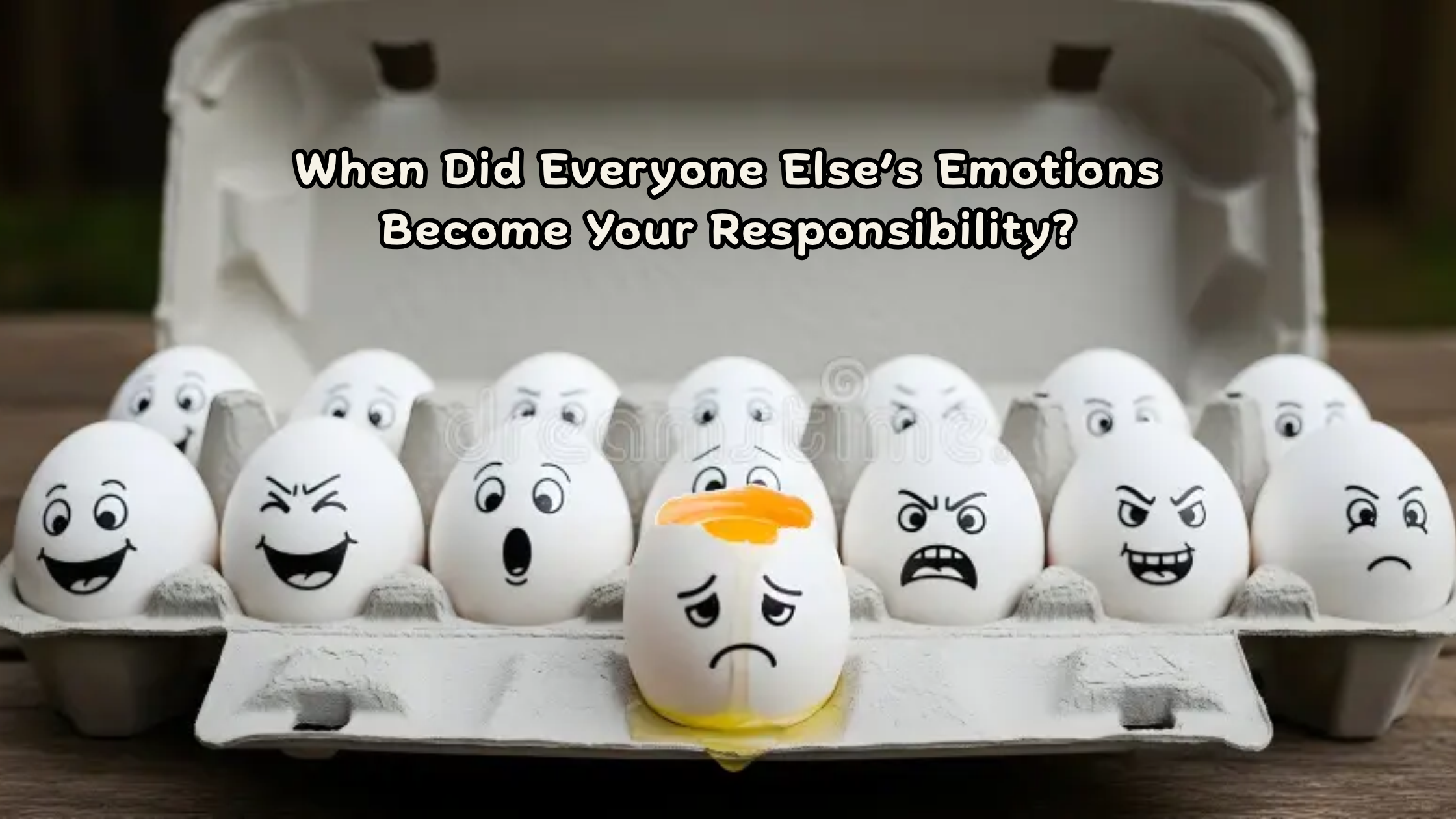
When Did Everyone Else’s Emotions Become Your Responsibility?
Because when you’re accustomed to listening for the crunch of eggshells, someone else’s discomfort can feel like evidence. Something’s wrong… I’ve done something… Fix it. The truth is that another adult experiencing an uncomfortable emotion is not necessarily an emergency requiring my intervention. I can care that someone is upset. I can listen. I can be curious about their experience. I can honestly examine my contribution. And when I’ve done something that requires accountability, I can own it. But this is the really important part… I can also allow another person to be disappointed, frustrated, irritated, or uncomfortable without automatically turning myself inside-out to make their feeling disappear.
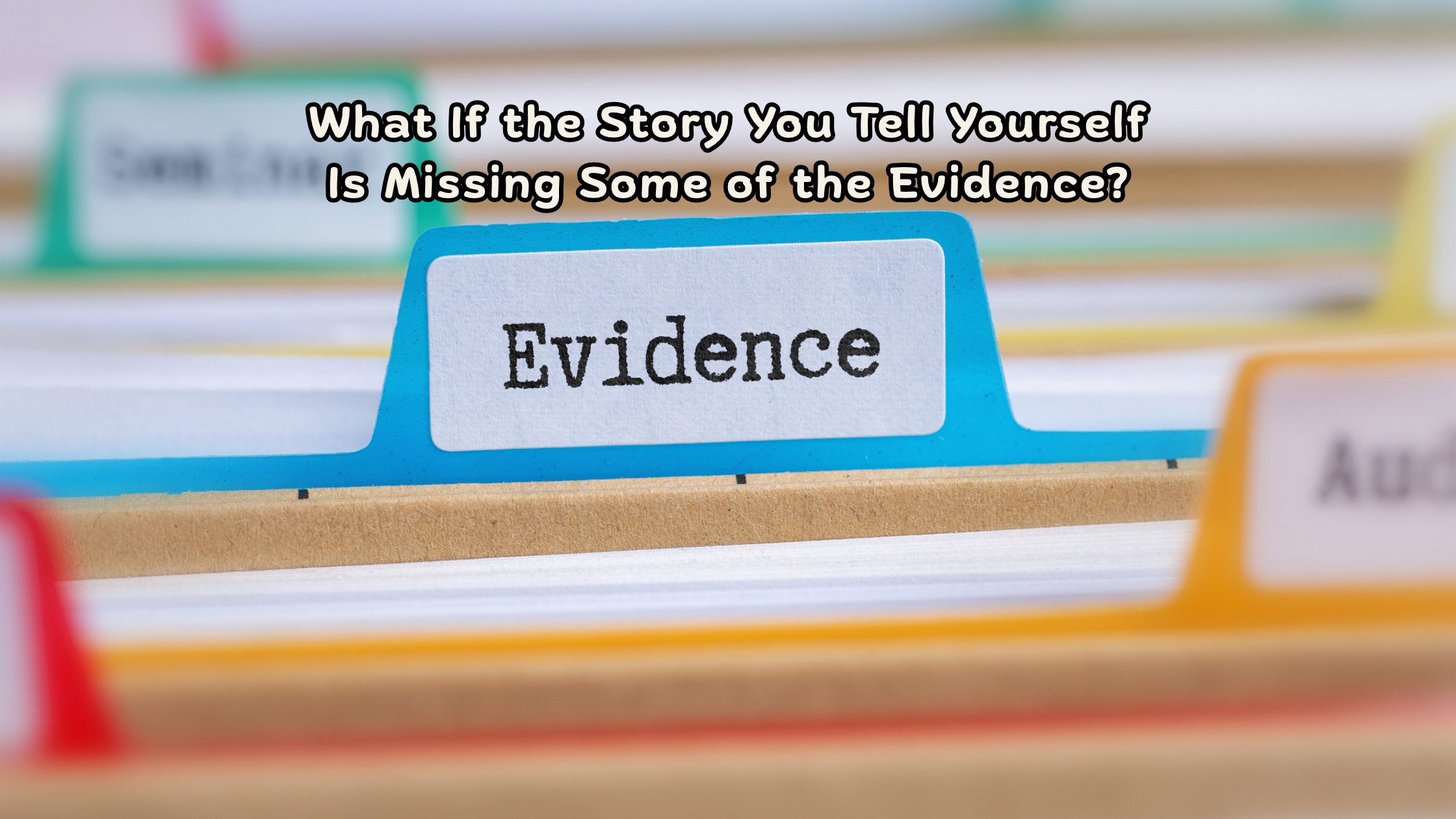
What If the Story You Tell Yourself Is Missing Some of the Evidence?
I’m becoming increasingly suspicious of the idea that personal growth requires us to constantly “rewrite our story.” In my explorations for this episode… I’ve become suspicious about even the way I’d been thinking about how our internal narratives were written. Or that we can simply replace one outdated narrative with another prettier one. I’ve come to realize that, although it’s important to examine the narratives that were written for us… sometimes we also need to examine the ones we’ve inadvertently developed ourselves.

What If Discomfort Isn’t the Enemy? | Understanding Comfort Zones and Fear
In simple terms, our brains aren't passive observers waiting for all the facts before deciding what's happening. They're pretty sophisticated prediction machines, constantly making educated guesses based on our past experiences. You’d think that would be incredibly efficient… But sometimes what it is, is our brain putting a grizzly bear costume on a perfectly harmless bunny rabbit.
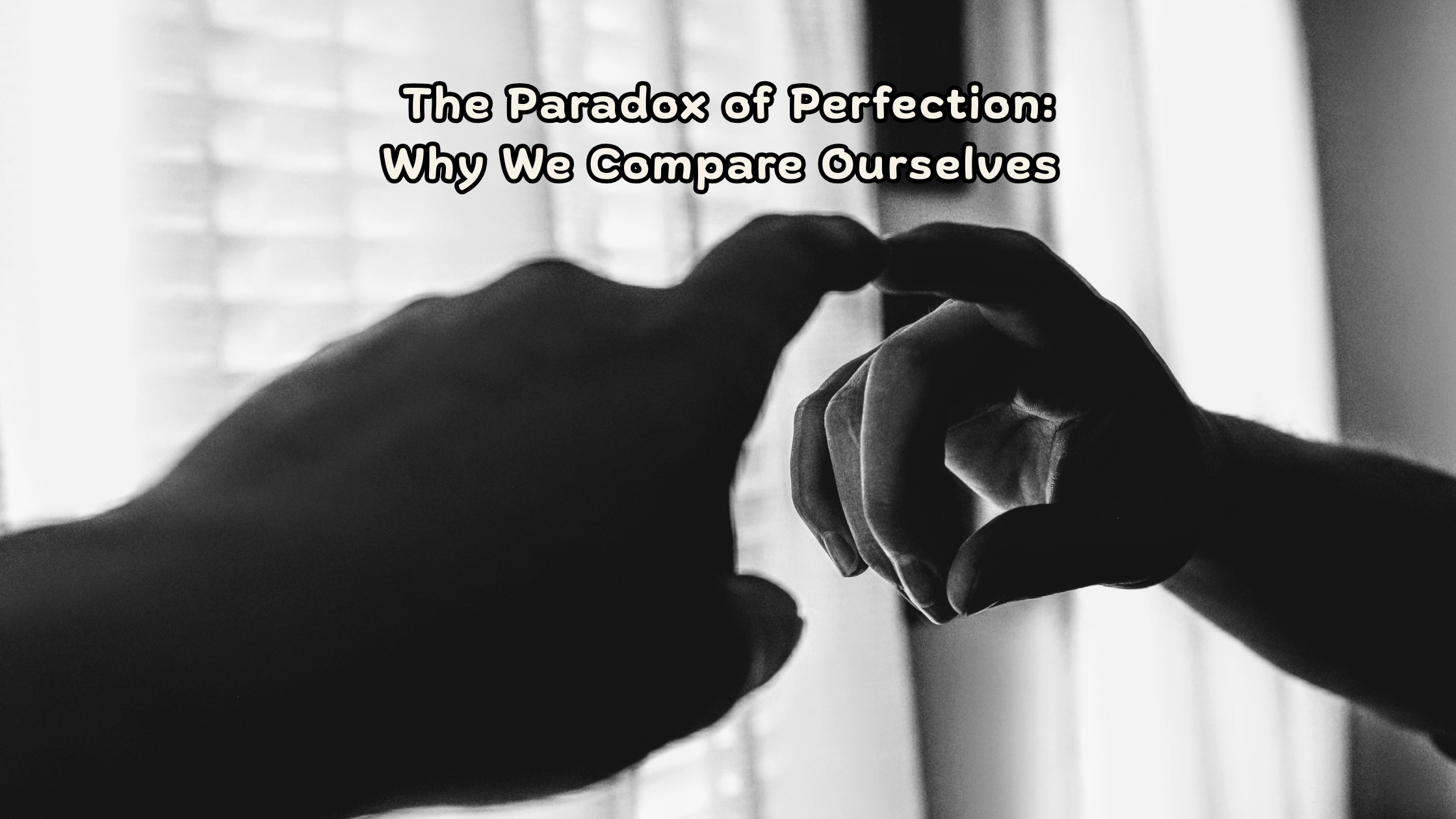
The Paradox of Perfection: Why We Compare Ourselves
Most of us know the lives we see online aren't complete. We know social media is curated, and we know the smiling family photo probably didn't include the argument that happened five minutes earlier. We know influencers don't usually post their rejection letters, panic attacks, or the tears they cried in the shower the night before. We know all of this. And yet... We still compare ourselves anyway.

Starving Your Demons: Regret, Remorse, Shame & Self-Compassion
How often do you find yourself looking back and thinking, "If I knew then what I know now..."? In this episode, we explore why regret, remorse, and shame aren't the same thing, how hindsight bias convinces us we should have known what we couldn't possibly have known, and why many of us are still carrying emotional refrigerator boxes that only contain ring-box-sized lessons. Maybe the goal isn't to erase the past. Maybe it's simply to tell the whole story.
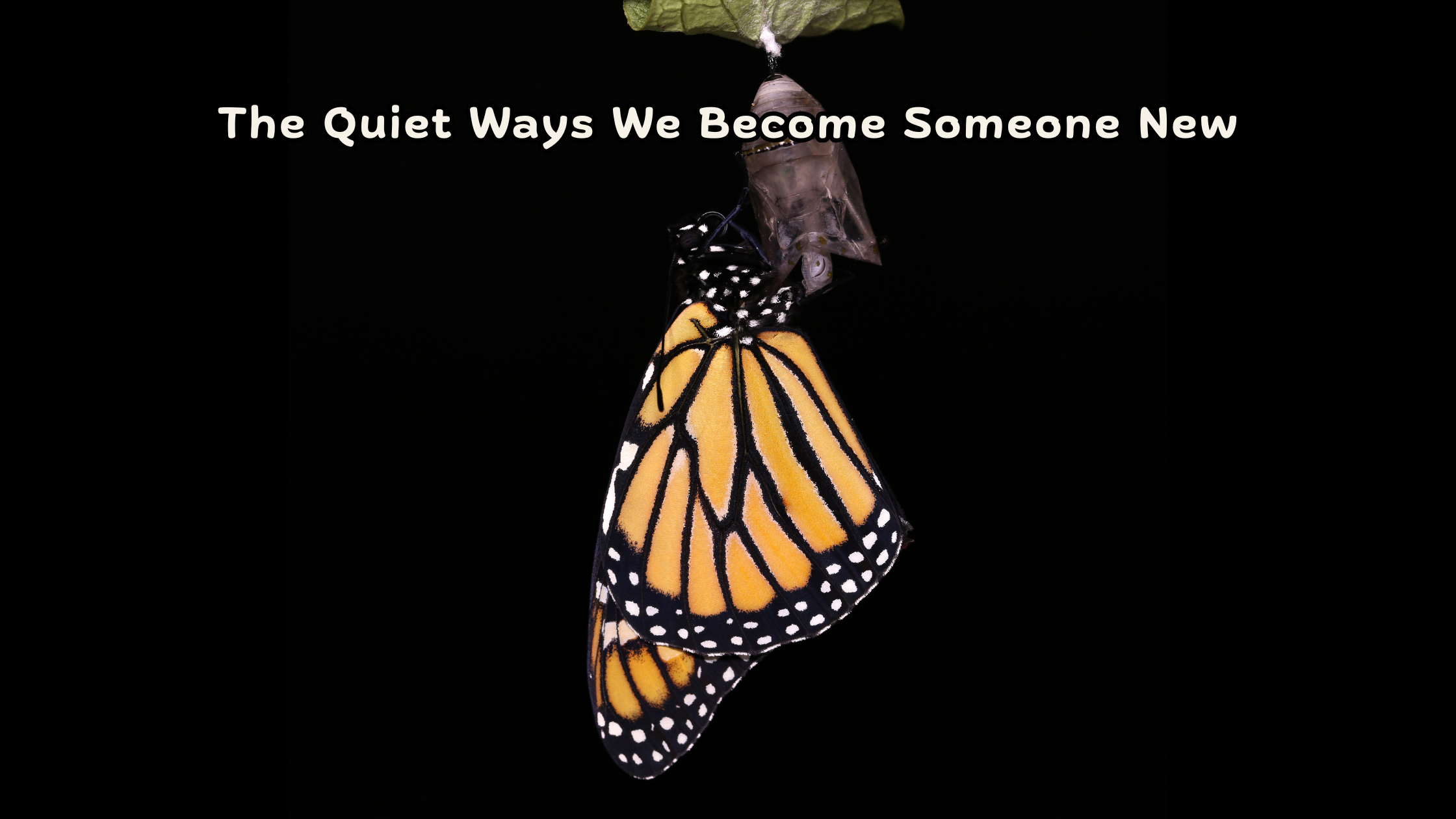
The Quiet Ways We Become Someone New | Why You're Not "Lost"—You're Becoming
Have you ever looked back and realized you're not the same person you used to be? Discover why personal growth isn't about "finding yourself" - it's about becoming, one quiet step at a time.